
Qualified Supervisor-led Plant Health Care303-362-1002

Plant Health Care

Integrated Pest Management that starts with tree health, not unnecessary pesticides.

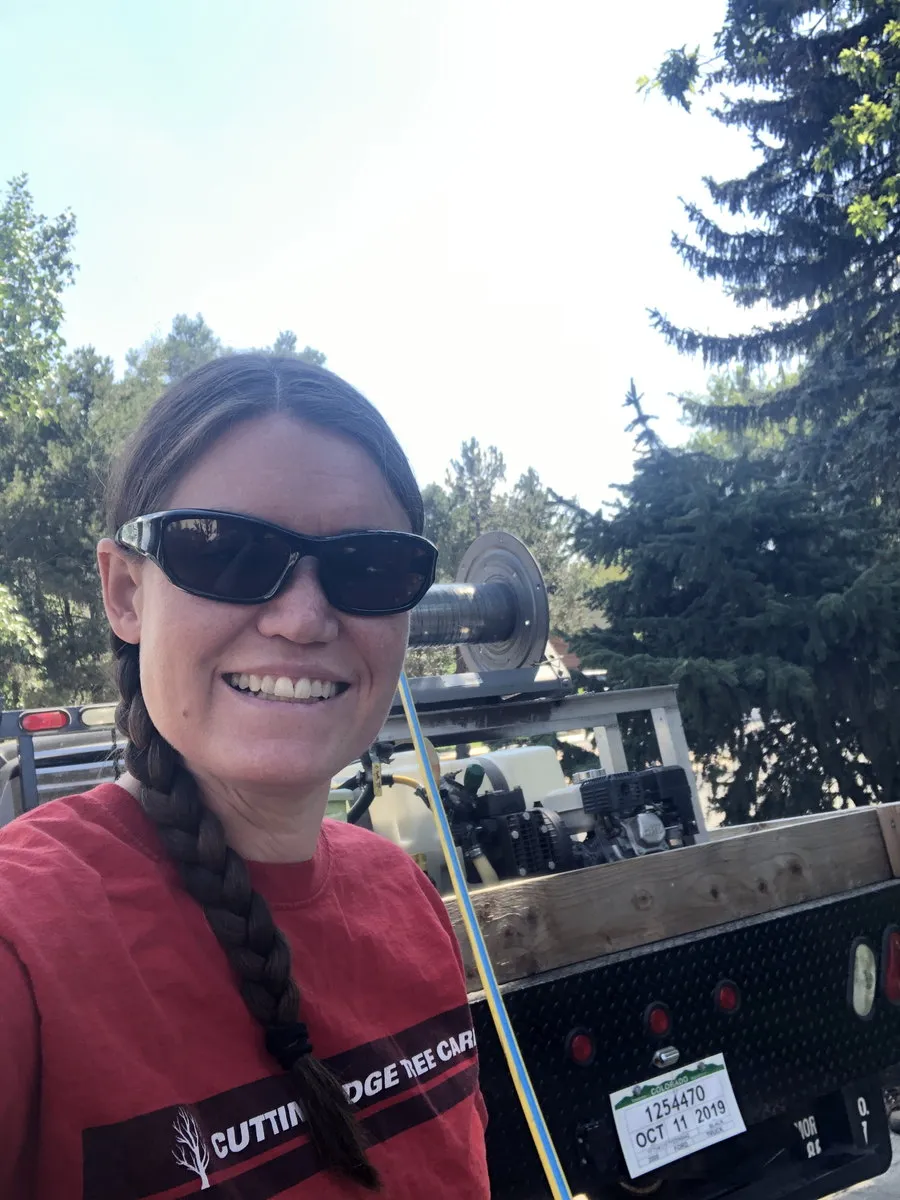
Kit Wagner is CETC's Qualified Supervisor through the Colorado Department of Agriculture and has cared for Plant Health Care needs for more than 15 years.

PHC and EAB Services

Integrated Pest Management can include fertilization, irrigation and winter watering guidance, proper pruning, targeted chemical controls, and planting suitable species in suitable locations. CETC begins with cultural and non-chemical care when appropriate, then recommends targeted treatment when the tree and pest conditions warrant it.

On-site PHC consultation fee: $150.

  • Dormant oil and deep root fertilization options
  • Insecticides, fungicides, miticides, and bio-insecticides
  • Emerald Ash Borer trunk injections with ArborMectin or Tree-AZIN
  • Pollinator-conscious planning and current label compliance

Ask about PHC

Kit Wagner, Plant Health Care Qualified Supervisor

Emerald Ash Borer

Protecting valuable ash trees starts with an honest assessment.

Emerald Ash Borer larvae tunnel beneath the bark and interrupt the movement of water and nutrients through an ash tree. Because early damage can be difficult to see, treatment decisions should account for the tree's species, condition, canopy decline, location, and long-term value.

Identify and evaluate

Not every declining ash has Emerald Ash Borer, and not every ash is a good treatment candidate. CETC begins by confirming the tree and evaluating overall health, visible decline, site conditions, and whether preservation is practical.

Trunk-injection options

CETC offers ArborMectin, an emamectin benzoate treatment, and Tree-AZIN, an azadirachtin bio-insecticide. Both are professionally applied trunk injections; the right option depends on the individual tree and current product guidance.

Timing and follow-up

Treatments are generally timed after leaves emerge in spring and while the tree can move the product through its canopy. Follow-up intervals vary by product, pest pressure, tree health, and label requirements.

Emerald Ash Borer FAQs

What is Emerald Ash Borer, and what signs should I watch for?

Emerald Ash Borer is an invasive beetle whose larvae feed beneath the bark of true ash trees. Possible signs include thinning or dead branches near the top of the canopy, D-shaped exit holes, vertical bark splits, shoots growing from the trunk, S-shaped galleries beneath loose bark, and increased woodpecker activity. Other problems can cause similar symptoms, so identification matters.

Does every ash tree need to be treated?

No. Treatment is a long-term commitment and should be based on the tree's species, health, size, structural condition, location, value, and level of decline. Some healthy, valuable ash trees are good preservation candidates; trees with advanced decline, poor structure, or limited site value may be better candidates for removal and replacement.

Which EAB treatments does CETC offer?

CETC offers professionally applied trunk injections using ArborMectin, an emamectin benzoate product, and Tree-AZIN, an azadirachtin product derived from neem seed. Both are systemic treatments. We recommend an option only after considering tree condition, current pest pressure, treatment goals, product labeling, and the surrounding site.

When are trunk injections performed?

The normal treatment window begins after leaves emerge in spring and continues into early summer, when a healthy tree is actively moving water through its canopy. Exact timing depends on the product, weather, tree condition, and current label. You can schedule an assessment before the application window so there is time to plan appropriately.

How long does an EAB trunk injection protect a tree?

Intervals are not identical for every product or situation. Current CSU guidance describes emamectin benzoate as providing at least two years of control. Azadirachtin commonly provides about two years during earlier stages of an EAB invasion, while annual application may be recommended when local pest pressure is at its peak. CETC follows the current label and sets the follow-up plan for the individual tree.

How does CETC consider bees and other beneficial insects?

Pollinator protection is part of CETC's Integrated Pest Management approach. We consider whether treatment is necessary, select the product and application method for the site, time work appropriately, and follow current label requirements. No insecticide should be described as having zero environmental impact, so our goal is a targeted treatment plan with a clear reason for use.

Can an ash tree recover, or is removal the better choice?

Some trees with limited EAB injury can recover under an effective treatment program, but advanced canopy loss and extensive vascular damage can make recovery unlikely. An onsite assessment helps compare ongoing treatment with removal, replacement, safety, and the value the mature tree provides to the property.

Independent resources: CSU Extension treatment guidance and USDA identification guidance.